
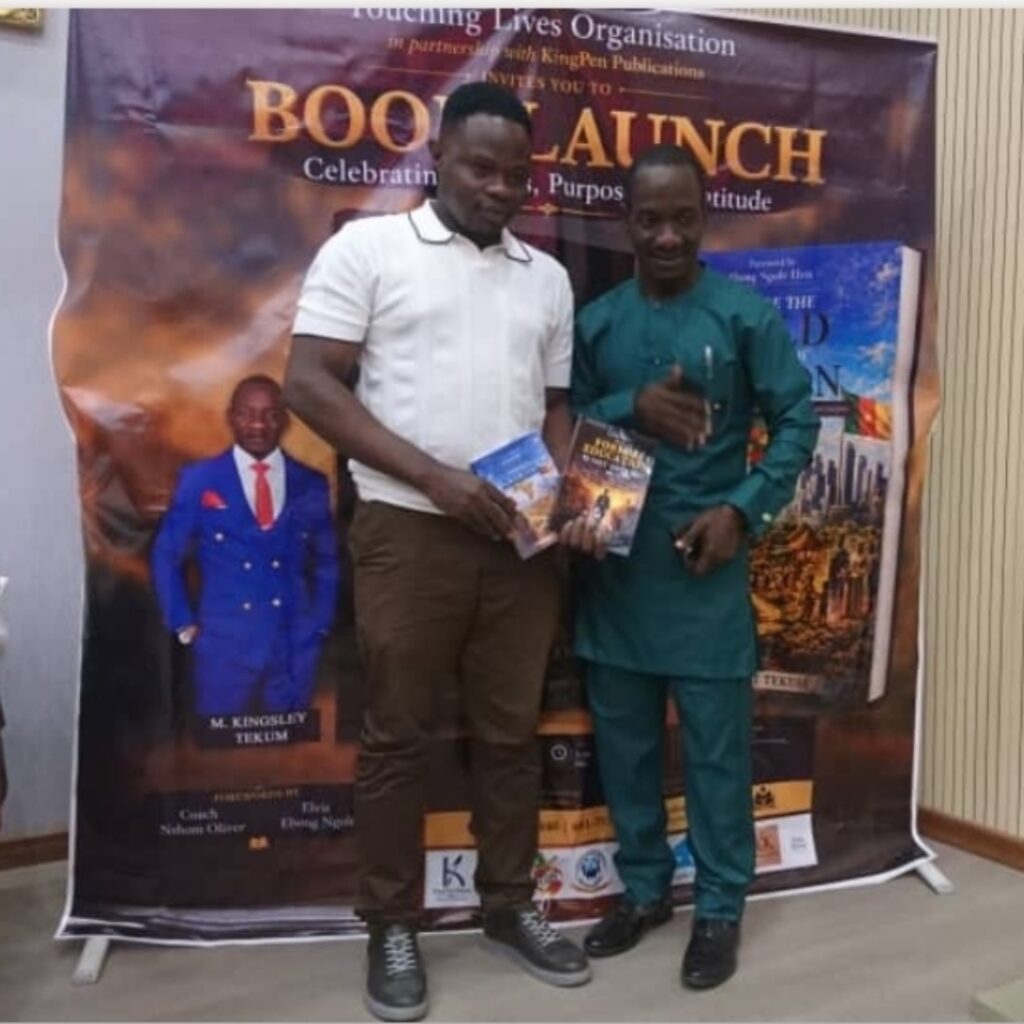
Through two newly released books, Cameroonian author, educator and mentor M. Kingsley Tekum explores the foundations of personal fulfilment and collective progress. Combining storytelling, moral reflection and educational analysis, his work raises a fundamental question: how can societies prepare children and young adults not merely for examinations, but for life itself?
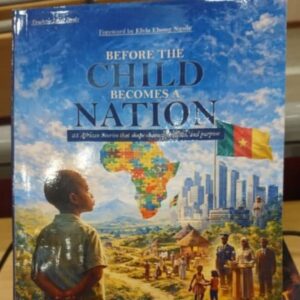
In a context where conversations about development often focus on economic growth, governance reforms and technological advancement, M. Kingsley Tekum invites readers to look elsewhere: towards the classroom, the family and the values transmitted from one generation to the next. His latest publications, Before the Child Becomes the Nation and Formal Education Is Not Enough, place human formation at the centre of national transformation.
The first volume, Before the Child Becomes the Nation: 25 African Stories That Shape Character, Values and Purpose, draws inspiration from African realities, particularly those of Cameroon. Through a collection of narratives, the author examines how challenges such as corruption, indiscipline, weak civic engagement, leadership failures and the erosion of social responsibility often originate long before adulthood. Rather than treating these concerns as purely political or institutional matters, he traces their roots to childhood and the gradual construction of character.
Written in a dramatic storytelling format, the book serves both as a literary work and a practical guide. It encourages parents, teachers and educational institutions to cultivate integrity, accountability, respect and service in younger generations. At its heart lies the conviction that the destiny of a nation depends largely on the principles embedded in its future citizens. As the author suggests, every child represents a gift entrusted to society, while upbringing determines the nature of the gift eventually returned to the community.
The foreword, penned by scholar Elvis Ngole Ebong, situates the publication within a broader reflection on culture and citizenship. Comparing children to unfinished stories and nations to libraries still under construction, he presents the collection as a bridge between personal ethics and collective aspirations. The work unfolds through themes ranging from habits and relationships to responsibility and contribution, offering readers a moral compass in an era often marked by uncertainty.
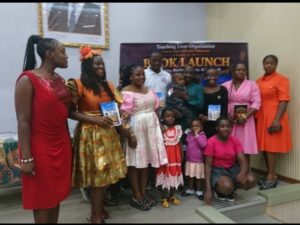
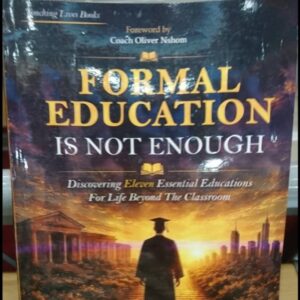
If the first book focuses on childhood, the second turns its attention to adulthood and the limits of conventional learning. Formal Education Is Not Enough: Discovering Eleven Essential Educations for Life Beyond the Classroom challenges a widely held assumption: that academic credentials alone guarantee success. While acknowledging the importance of formal schooling, M. Kingsley Tekum argues that many graduates leave educational institutions equipped with knowledge but insufficiently prepared for the realities of existence.
The publication emerges from a simple observation. Across many societies, degree holders continue to struggle with direction, financial management, personal discipline, resilience and purpose. According to the author, schools provide indispensable foundations, yet certain dimensions of growth remain beyond the reach of traditional curricula. Bridging this gap requires deliberate self-development and a broader understanding of what education truly means.

To address this challenge, he introduces what he calls the “Life Education System Framework,” a model designed to complement academic training. Through eleven essential forms of learning beyond the classroom, readers are encouraged to develop wisdom, emotional strength, foresight and practical judgement. The objective is not to diminish the value of certificates but to place them within a larger journey of lifelong formation.
Holding a Master’s degree in Curriculum Development and Evaluation from the University of Yaoundé I, M. Kingsley Tekum brings both academic expertise and field experience to the debate. Founder of Touching Lives Organisation, teacher, mentor, youth leader and public speaker, he has dedicated much of his work to guiding young people towards purposeful living. His writings reflect this commitment, combining educational insight with ethical reflection and Christian inspiration.
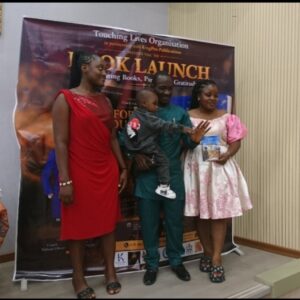
Together, these two books form a coherent intellectual project. One examines the making of responsible citizens during childhood; the other explores the competencies required to navigate adulthood. Both advance the same idea: sustainable progress begins not with structures alone, but with people equipped to act with wisdom, integrity and purpose. In a period marked by rapid social change and growing uncertainty, M. Kingsley Tekum’s contribution stands as an invitation to rethink the meaning of education and the foundations upon which nations are built.